
Infantry Formations - Part I
Entry posted by =VG= The_Polish_Guy in Green Tactics
220 views
Formations are ways to move as a unit through terrain. They are meant to maximize the element’s effectiveness. Below I’ll describe a few of them and when they should be used. Additionally they will be illustrated using Arma 3 role icons and a basic infantry squad structure.
Column
The most basic infantry formation is the column. While being arguably the most used formation it is also very flexible to the environment’s challenges.
Basic Column
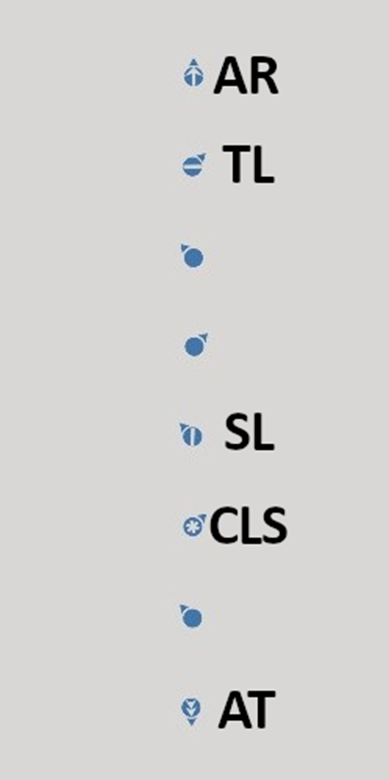
This formation should be used in situations in which we do not expect enemy contact but are simply walking from point A to B. Additionally it can be used while moving through a potentially mined terrain, to minimize the risk of multiple people stepping on a mine.
The basic column should be composed similarly to what you can see on the image. automatic rifleman leads the formation because it has the most firepower. Close behind follows a team leader if there is one to help navigate the terrain. Squad leader and CLS/medic stay towards the back of the formation but still inside of it. The column is closed by an anti-tank specialist or a similar role.
The first person in the formation covers the direction of movement and the last person covers the rear. Everyone in the middle watches either left or right.
The point-man should be a trust worthy member of the squad, since it’s their job to navigate the entire formation. They have to make decisions about slight adjustments to the direction of movement or stopping the formation.
Always remember to keep spacing between each person in the formation. There is no set distance but as a rule it shouldn’t be less than 2 meters.
Column With EOD Threat
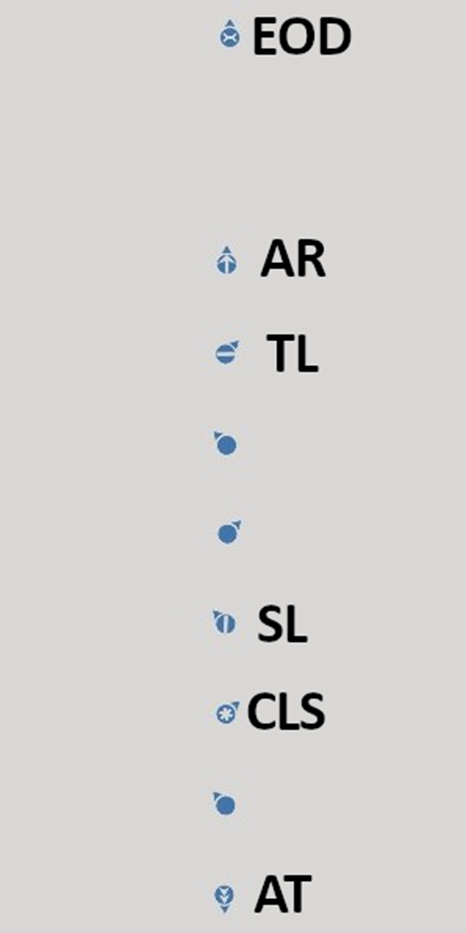
When we expect to run into IEDs or mines it is important to let the EOD specialist lead the formation. If the squad does not have an EOD specialist, a rifleman looking at the ground will have to do. No matter who is leading the formation in this scenario, it’s wise to keep a greater distance to them in case of an explosion.
Column With Probe
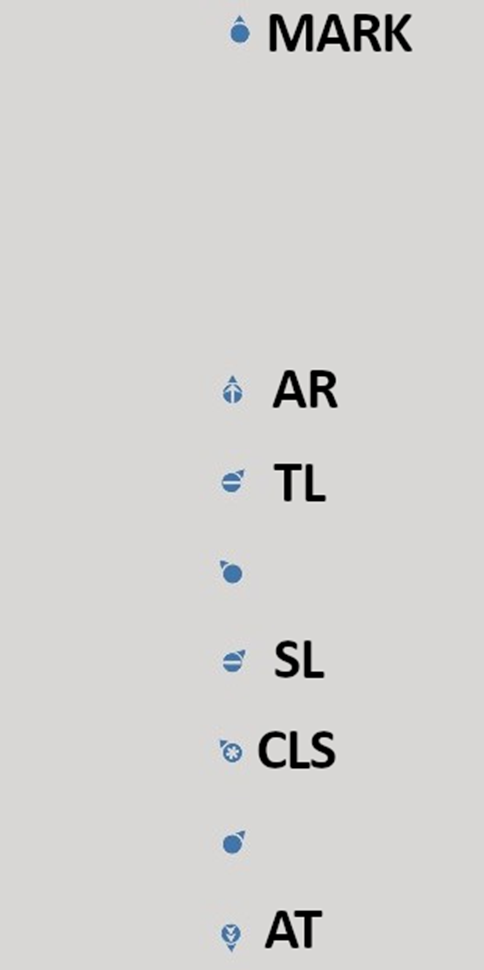
In some situations we want to send a probe to scout ahead of the formation to avoid walking straight into danger. In that case it’s usually a good idea to send out a marksman or a similar role about 50-100 meters ahead. If possible make sure the probe has a way of communicating with the rest of the formation.
Line

The line is a formation used mainly for assaults and searching an open terrain. All members of the squad will be watching looking in the same direction, so it is only advisable when moving towards a well scouted target as the formation is very exposed around the flanks.
The most left and right members can also look slightly to the sides to limit the tunnel vision of the entire formation.
The medic can follow the formation to stay out of harm’s way and see if anyone needs help. It is important to remember though that it is clear to any enemy that the single person in the back of the formation is important. This can lead to the medic being a primary target to snipers or marksmen. For that reason some squad leaders opt to incorporate the medic into the line.
Spacing in the line is as important as in any other formation. It should guarantee less casualties in case of an explosion but in a forward facing formation it also allows for better coverage of the target area.
Wedge / Sergeant

The wedge is designed for a similar purpose as the line, moving towards a target. Unlike the line tough it is not as susceptible to flanking fires as each member of the formation covers increasingly steep angles to the sides. This leads to less tunnel vision but decreases the front facing firepower of the formation.
The medic in a wedge is the same dilemma as in a line formation.
Echelon Right and Left

Echelon can be explained as half of a wedge. It can be deployed to the right or left of the point-man. It should be employed in a similar way to the wedge but only when we do not expect any contacts from the side that is not being covered. One scenario when we can use an echelon is when we are moving along hard cover or a natural feature that makes it impossible for the enemy to appear on that side.
Staggered Column / Chess Board
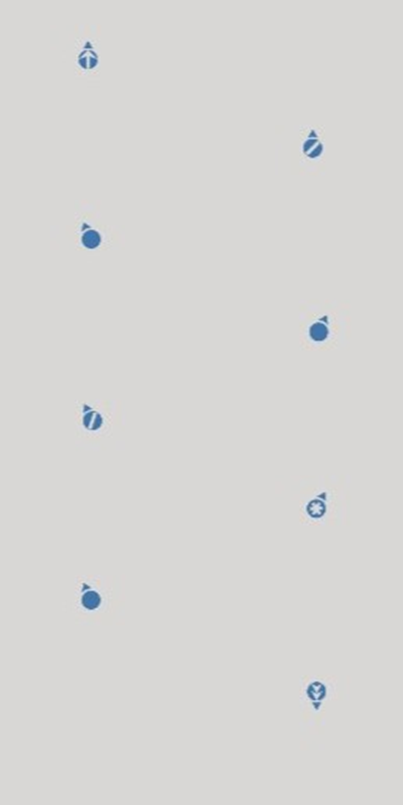
A staggered column works very similar to a regular column but employs two alternating columns instead of one. It should be used for moving along roads. Deploying an EOD specialist or a probe can work the same as in a regular column. Additionally this formation can be employed when moving together with a vehicle.
Staggered column is often wrongly associated with a double column. A double column are two columns walking along each other. They are not alternating like a staggered column.

0 Comments
Recommended Comments
There are no comments to display.
Join the conversation
You are posting as a guest. If you have an account, sign in now to post with your account.
Note: Your post will require moderator approval before it will be visible.